Independent Damp Investigation and Moisture Assessment
Dampness in buildings is often misunderstood, misdiagnosed, or treated without properly establishing the cause.
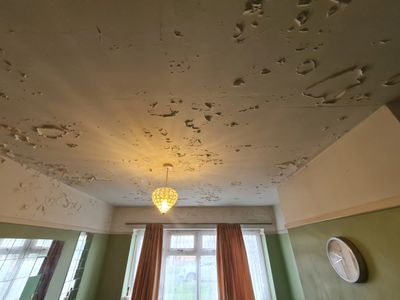
Staining, mould growth, peeling paint, salt deposits, damp skirting boards, cold walls and musty odours may all point to moisture-related problems. However, the source of that moisture is not always obvious.
At Alliance Resolve, we provide independent damp diagnosis surveys for homeowners, landlords, managing agents, insurers and property investors. Our role is to identify the likely cause of dampness and provide clear, proportionate recommendations before unnecessary or inappropriate remedial works are undertaken.
We do not sell damp-proofing systems, chemical injections or remedial products. Our advice is independent, evidence-led and based on building pathology.

Why Proper Damp Diagnosis Matters
Damp is not a defect in itself. Damp is usually the symptom of an underlying problem.
Common causes may include:
- Rainwater penetration
- Defective gutters, downpipes or drainage
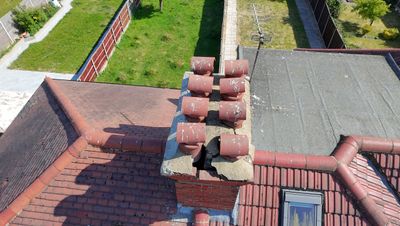
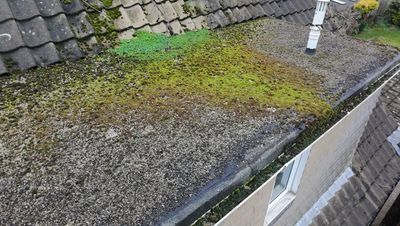
- Roof, flashing or chimney defects
- High external ground levels
- Bridged damp-proof courses
- Poor ventilation
- Condensation and cold bridging
- Plumbing leaks
- Defective render, pointing or masonry
- Poorly installed insulation or retrofit works
- Trapped moisture following previous repairs
- Inadequate drying after escape of water or flooding
Treating the visible staining without addressing the true cause will usually result in the problem returning.
A proper damp diagnosis helps establish why the moisture is present, whether the issue is active, and what should be done to resolve it.
Our Approach
Alliance Resolve takes a careful, methodical approach to damp investigations.
We look at the building as a whole, not just the area where damp staining is visible. Moisture movement is influenced by construction type, ventilation, heating, drainage, external detailing, maintenance, insulation, occupancy and previous repairs.
Our survey considers the relationship between the defect and the building fabric.
We aim to answer the key questions:
- Where is the moisture appearing?
- Is it localised or widespread?
- Is it likely to be penetrating damp, condensation, leakage, trapped moisture or another mechanism?
- Is the source internal or external?
- Are there construction or maintenance defects contributing to the issue?
- What remedial action is proportionate?
- Is further investigation required before works proceed?
Depending on the property and the nature of the problem, our damp diagnosis may include a combination of the following methods.
Visual Building Inspection
We inspect the affected areas and surrounding building fabric, looking at walls, floors, ceilings, joinery, finishes, roof details, rainwater goods, external ground levels, drainage routes and ventilation provision.
This helps identify whether there are obvious building defects contributing to moisture ingress or condensation.
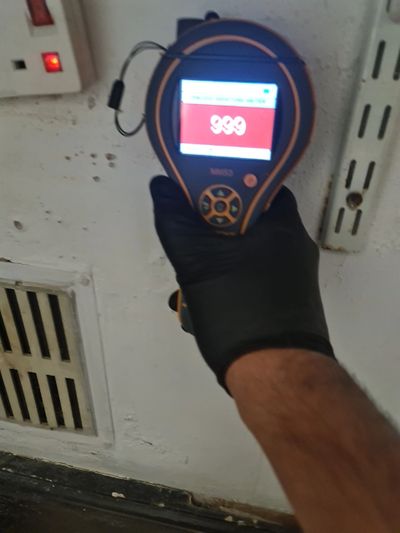
Moisture Meter Readings
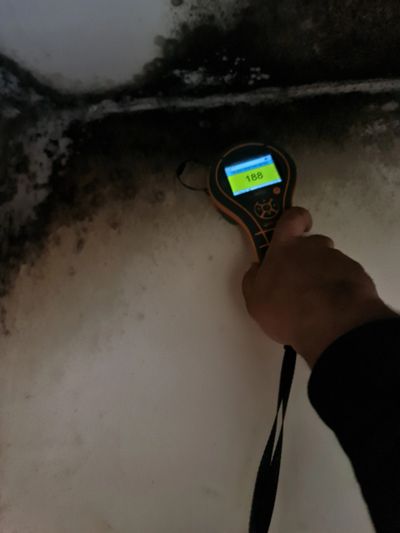
We may use moisture meters to help identify moisture patterns across walls, floors or timber elements.
Readings are interpreted with caution and in context. A meter reading alone does not diagnose the cause of dampness. It must be considered alongside the construction type, surface condition, salt contamination, ventilation and external building defects.
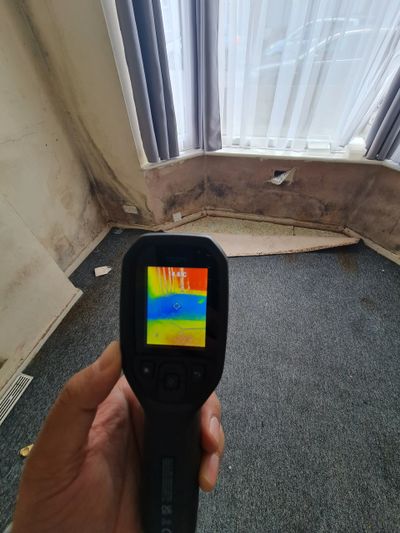
Thermal Imaging
Thermal imaging may be used to identify cold areas, possible moisture-affected zones, missing insulation, thermal bridging or areas where condensation risk may be increased.
Thermal imaging is particularly useful where moisture problems are intermittent, concealed, or associated with cold surfaces.
Humidity and Condensation Risk Assessment
We may record temperature, relative humidity and dew point conditions to assess whether condensation is likely to be contributing to the problem.
This is particularly useful in cases involving mould growth, cold external walls, poorly ventilated rooms, newly insulated areas, bathrooms, kitchens, bedrooms and rental properties.
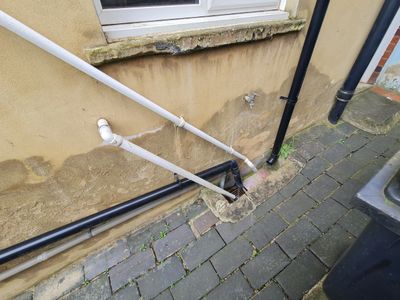
External Defect Assessment
Many damp problems originate outside the property.
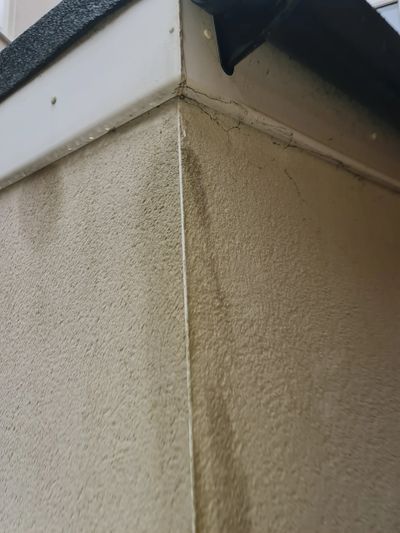
We inspect common external causes such as defective gutters, leaking downpipes, blocked drainage, poor roof details, failed pointing, defective render, high ground levels, bridging at thresholds, and poor weathering at junctions.
Ventilation and Occupancy Review
Damp and mould issues are often linked to ventilation, heating and moisture production.
We assess whether the property has adequate ventilation and whether the building fabric is capable of managing normal moisture loads.
This is particularly important in modernised properties where insulation, new windows or airtight finishes may have changed how the building behaves.
Targeted Recommendations
Where further investigation is required, we identify this clearly. This may include opening-up works, drainage inspection, roof access, plumbing checks, laboratory testing or specialist contractor input.
We aim to avoid unnecessary disruption unless the evidence supports it.
Common Damp Problems We Investigate
Alliance Resolve can assist with a wide range of damp-related concerns, including:
- Damp walls and floors
- Mould growth and condensation
- Water ingress after rainfall
- Damp patches around windows and doors
- Dampness at wall-to-ceiling junctions
- Moisture at chimney breasts
- Salt contamination and efflorescence
- Damp skirting boards and decayed joinery
- Suspected rising damp
- Basement and below-ground dampness
- Dampness following building works
- Damp in extensions and refurbished properties
- Tenant complaints and landlord investigations
- Insurance-related escape of water or storm damage concerns
We Do Not Assume “Rising Damp” Without Evidence
One of the most common errors in damp diagnosis is assuming that low-level dampness must be rising damp.
Low-level damp can also be caused by bridging, external ground levels, defective drainage, rainwater splashback, leaking services, condensation, salt contamination, trapped moisture or poor ventilation.
Rising damp is only one possible moisture mechanism. It should be diagnosed carefully and only where the evidence supports it.
Our role is to consider the full range of possible causes before recommending any remedial works.
Damp Diagnosis for Landlords
Landlords have increasing obligations to ensure that rental properties are safe, habitable and free from serious damp and mould risk.
A damp diagnosis survey can assist landlords by identifying whether the issue is likely to arise from:
- A building defect
- Inadequate ventilation
- Heating and insulation issues
- Tenant use and moisture production
- Poor maintenance
- Plumbing or drainage leakage
- Wider property condition issues
Our reports provide clear findings and practical recommendations, helping landlords take proportionate steps to resolve the problem.
Damp Diagnosis Before Remedial Works
Before instructing damp-proofing, replastering, tanking, drainage works or major repairs, it is sensible to establish the cause of the dampness.
Without proper diagnosis, there is a risk of:
- Paying for unnecessary treatment
- Masking the symptom but not resolving the cause
- Trapping moisture within the structure
- Increasing condensation risk
- Damaging traditional building fabric
- Creating future defects
- Losing evidence where a dispute or insurance matter exists
A professional damp diagnosis survey provides a sound basis for deciding what work is genuinely required.
Why Choose Alliance Resolve
Alliance Resolve provides independent, surveyor-led damp diagnosis.
We combine building pathology, construction management experience, thermal imaging, moisture assessment and practical knowledge of how buildings fail over time.
Our advice is not linked to selling remedial products. We focus on identifying the cause and recommending proportionate action.
This gives clients a clearer basis for:
- Understanding the defect
- Challenging poor workmanship
- Discussing repairs with contractors
- Supporting insurance decisions
- Responding to tenant complaints
- Avoiding unnecessary damp-proofing works
- Planning effective long-term repairs
Following our inspection, we can provide a written report setting out:
- Areas inspected
- Observed dampness and moisture-related defects
- Photographic evidence
- Moisture readings where taken
- Thermal imaging findings where used
- Likely causes of dampness
- Relevant building defects or contributing factors
- Practical recommendations
- Further investigation required, if any
- Priority of remedial action
The report is intended to be clear, practical and suitable for homeowners, landlords, managing agents, insurers or contractors.
If you are concerned about damp, mould, water ingress or unexplained moisture within a property, Alliance Resolve can assist with an independent damp diagnosis survey.
Please send us the property address, photographs of the affected areas, a brief history of the problem and details of any previous repairs or investigations.
We will confirm the most appropriate inspection approach and provide a fee proposal.
Why Work With Us
Personalized service tailored to your unique needs.
Experienced professionals dedicated to your success.
Proven results that speak for themselves.
