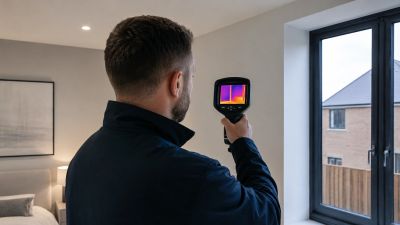
Forensic Investigation of Retrofit Failures
Retrofit works are intended to improve comfort, energy performance and long-term building efficiency. When they are poorly designed, inadequately specified or badly installed, they can have the opposite effect.
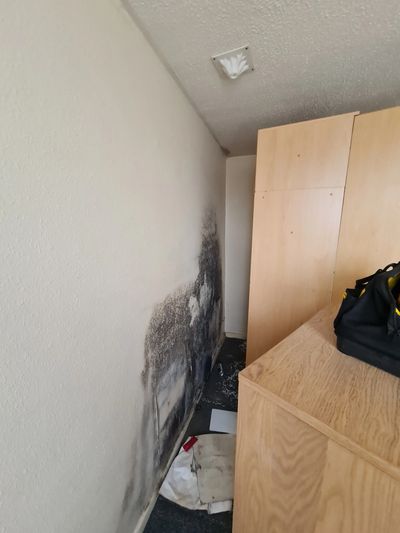
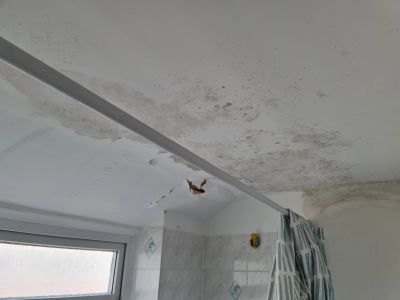
Instead of creating a warmer, healthier and more efficient building, defective retrofit can lead to dampness, mould growth, condensation, trapped moisture, fabric decay, cold bridging, poor ventilation, water ingress and premature failure of building elements.
At Alliance Resolve, we provide independent forensic investigations into retrofit failures. Our work combines building pathology, construction management experience, moisture diagnostics and technical inspection to identify what has gone wrong, why it has occurred, and what should be done next.
We act for homeowners, landlords, managing agents, insurers, contractors, investors and professional advisers who require a clear, evidence-led assessment of retrofit-related defects.
Schedule Your Inspection Today
Contact us to schedule your inspection today and ensure the safety and efficiency of your retrofit installation
What Are Retrofit Failures?
Retrofit failure occurs where improvement works do not perform as intended, or where the works create new defects within the existing building.
This may involve energy-efficiency upgrades, insulation works, ventilation improvements, heating changes, window replacement, damp remedial works or wider refurbishment schemes.
Common retrofit failures include:
- Damp and mould following insulation works
- Condensation after new windows are installed
- Cold bridging at wall, floor, ceiling and window junctions
- Trapped moisture behind insulation systems
- Failed external wall insulation finishes
- Defective render, beads, trims and fixings
- Poorly detailed roof and eaves insulation
- Inadequate ventilation following airtightness improvements
- Poor cavity wall insulation installation
- Internal wall insulation causing moisture imbalance
- Defective floor insulation and perimeter detailing
- Wet insulation due to water ingress
- Thermal bypass and insulation discontinuity
- Poor workmanship around openings, sills, thresholds and service penetrations
- Unresolved dampness concealed by new finishes
Retrofit works must be compatible with the existing building. A measure that is suitable for one property may be wholly unsuitable for another.
Why Retrofit Defects Happen
Many retrofit failures arise because the building has not been properly understood before the works are carried out.
Older and traditional buildings behave differently from modern construction. Solid walls, suspended timber floors, ventilated roof spaces, chimney breasts, lime-based materials, historic masonry and previous alterations all influence how moisture, heat and air move through the structure.
Problems commonly arise where there has been:
- Poor initial diagnosis of the existing building
- Inadequate assessment of moisture risk
- Incorrect product selection
- Poor workmanship or weak site supervision
- Lack of proper sequencing
- Inadequate ventilation strategy
- Poor detailing at junctions and penetrations
- Failure to consider thermal bridging
- Insufficient drying before finishes are applied
- Defective rainwater goods, roofs or external fabric left unresolved
- Works installed to achieve a target rather than suit the building
- Lack of meaningful post-completion checking
In simple terms, retrofit cannot be treated as a “fit and forget” exercise. The existing building fabric must be assessed before intervention, and the works must be detailed to manage moisture, ventilation and thermal performance together.
Our Role: Forensic Building Pathology
Alliance Resolve investigates retrofit defects from first principles.
We do not start with a preferred product, system or contractor solution. We start with the building.
Our role is to consider:
- The original form of construction
- The retrofit works undertaken
- The sequence of installation
- The condition of the existing building fabric
- Evidence of water ingress or trapped moisture
- Ventilation and heating provision
- Thermal performance and cold surface risk
- Workmanship quality
- Likely cause of failure
- Whether the defect is isolated or systemic
- What remedial action is proportionate
The purpose of the investigation is to establish a clear technical opinion on the likely cause of failure and provide practical next steps.
Retrofit Works We Commonly Investigate
External Wall Insulation Failures
External wall insulation can fail where detailing, substrate preparation, fixings, render systems, beads, cills, reveals, roof junctions or drainage arrangements are poor.
Typical defects include cracking, staining, debonding, water tracking, cold bridging, impact damage, algae growth, damp internal walls and poor termination details.
We assess whether the failure appears related to design, installation, product compatibility, maintenance, weathering, substrate condition or adjacent building defects.
Internal Wall Insulation Failures
Internal wall insulation can significantly change the moisture behaviour of a building.
Where poorly designed or installed, it can increase condensation risk, trap moisture within the wall, reduce drying potential, conceal penetrating damp, and create cold bridging at junctions.
We investigate whether the insulation strategy is compatible with the building and whether moisture control has been properly considered.
Cavity Wall Insulation Problems
Cavity wall insulation can cause problems where the cavity is unsuitable, contaminated, bridged, exposed to severe weather, poorly filled or affected by existing defects.
Typical symptoms include damp internal walls, cold spots, mould growth, staining and deterioration around openings.
We assess whether the issue may relate to exposure, cavity condition, installation quality, bridging, external fabric defects or moisture ingress.
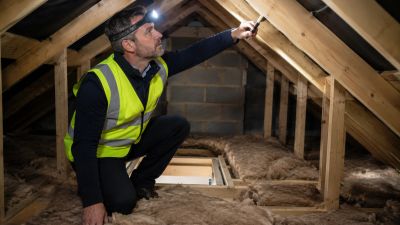
Loft and Roof Insulation Defects
Loft insulation should improve thermal performance without compromising ventilation or increasing condensation risk.
Failures can occur where insulation blocks eaves ventilation, is unevenly installed, is compressed, leaves gaps, covers electrical fittings, fails to protect pipework, or creates cold bridging at ceiling junctions.
We assess roof void conditions, moisture risk, ventilation provision and insulation continuity.
Window and Door Replacement Issues
New windows and doors can reduce air leakage, but where ventilation is not properly considered, condensation and mould can increase.
Poor installation can also lead to water ingress, thermal bridging, draughts, failed seals, damaged reveals, defective cills and poor perimeter sealing.
We investigate whether defects are likely to arise from installation, detailing, ventilation change, building fabric condition or a combination of factors.
Ventilation and Airtightness Failures
Improving airtightness without adequate ventilation is a common cause of retrofit-related damp and mould.
Where moisture cannot escape, internal humidity rises and condensation risk increases on cold surfaces.
We assess whether ventilation provision appears adequate for the altered building and whether extract systems, background ventilation and airflow paths are functioning as intended.
Damp Remedial and Waterproofing Failures
Damp works can fail where the true cause of moisture was not identified before treatment.
Chemical injection, replastering, tanking, waterproof coatings and impermeable finishes may mask symptoms temporarily while allowing the underlying defect to remain active.
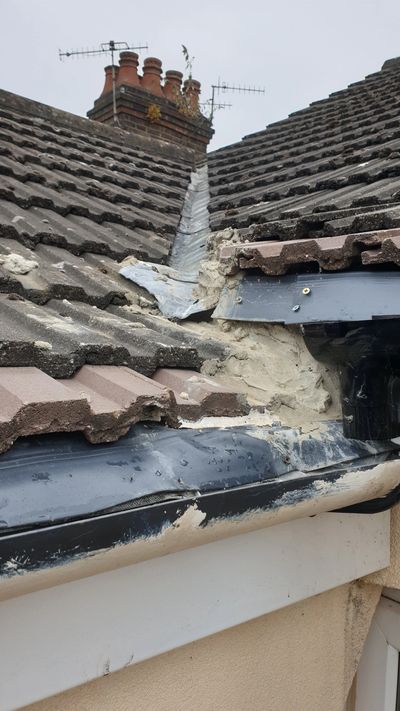
We investigate whether dampness is caused by rising damp, penetrating damp, condensation, bridging, trapped moisture, defective drainage, roof defects, plumbing leaks or inappropriate previous repairs.
Methods We May Use
The precise investigation method depends on the property, the defect and the purpose of the instruction.
Our assessment may include:
- Visual building pathology inspection
- Review of retrofit works, specifications, photographs and certificates
- Moisture meter readings
- Relative humidity and temperature readings
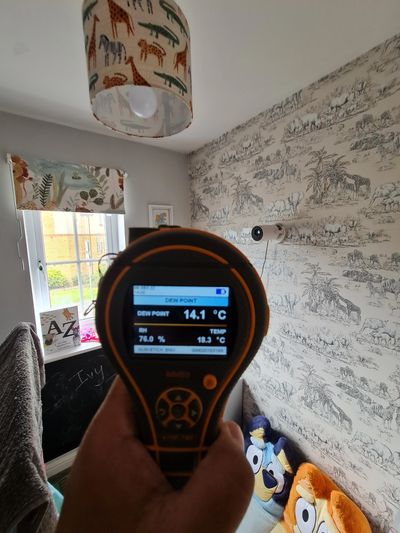
- Dew point and condensation risk assessment
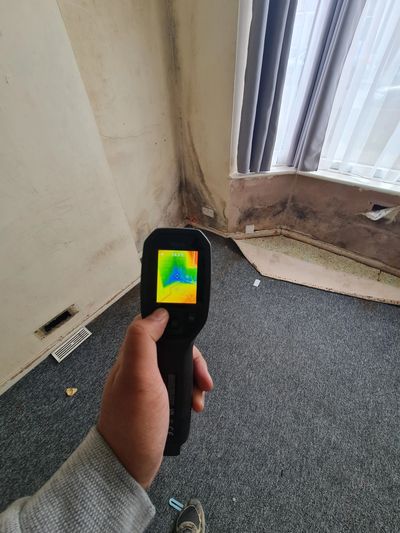
- Thermal imaging
- Drone or high-level inspection where appropriate
- Review of ventilation provision
- Inspection of roof voids, subfloor areas and external fabric where accessible
- Targeted opening-up recommendations where required
- Photographic evidence gathering
- Cause-and-effect analysis
- Written technical reporting
We avoid unnecessary complexity. The aim is to use the right level of investigation to answer the key technical question: why has the retrofit failed?
Typical Symptoms of Retrofit Failure
You may require a retrofit failure investigation if you are experiencing:
- New mould growth after improvement works
- Damp patches after insulation installation
- Condensation on walls, ceilings or windows
- Cold rooms despite insulation upgrades
- Staining around windows, reveals or external walls
- Cracked render or failed external finishes
- Water ingress around insulation, cladding or roof junctions
- Persistent musty odours
- Peeling paint or plaster deterioration
- Increased tenant complaints after refurbishment
- Roof void condensation following loft works
- Poor energy performance despite retrofit investment
- Disputes with installers, contractors or managing agents
- Insurance concerns following damp or water damage
Early investigation is important. The longer moisture-related defects remain unresolved, the greater the risk of decay, fabric deterioration and consequential damage.
For Homeowners
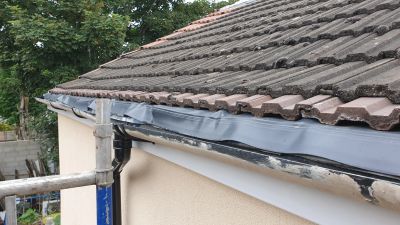
For homeowners, retrofit failure can be highly frustrating. Works intended to improve the home may leave the property colder, damper or more difficult to maintain.
Alliance Resolve can help identify whether the problem is likely to be caused by poor workmanship, incorrect detailing, unresolved building defects, inadequate ventilation, unsuitable materials or an inappropriate retrofit strategy.
Our report can help you understand the problem and support informed discussions with installers, contractors, insurers or legal advisers.
For Landlords and Managing Agents
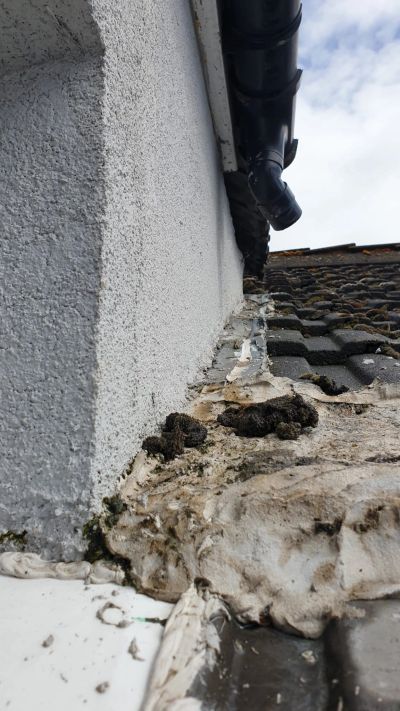
Retrofit failures in rental property can quickly become a compliance, maintenance and tenant-management issue.
Damp, mould, poor ventilation and cold surfaces may lead to complaints, disrepair allegations, loss of rent and increased repair liability.
We can assist landlords and managing agents by providing an independent assessment of:
- Damp and mould causation
- Whether retrofit works have contributed to the issue
- Ventilation and condensation risk
- Building fabric defects
- Maintenance-related factors
- Workmanship concerns
- Practical remedial priorities
This allows decisions to be made on evidence rather than assumption.

For Insurers and Claims Professionals
Retrofit failures often require clear causation analysis.
A defect may arise from workmanship, design, long-term deterioration, water ingress, condensation, inadequate maintenance, product failure or a sudden insured event. In some cases, several mechanisms may be contributing at the same time.
Alliance Resolve can provide independent technical reporting to assist with:
- Causation assessment
- Defect chronology
- Moisture source identification
- Differentiating sudden damage from gradual deterioration
- Assessing workmanship-related failure
- Identifying appropriate remedial scope
- Supporting proportionate claim decisions
- Reducing dispute between parties
Our approach is evidence-led, balanced and suitable for situations where defensible technical reasoning is required.
What Our Report Provides
Following the inspection, we can provide a written report setting out:
- The scope of instruction
- Areas inspected
- Relevant background and reported history
- Observed defects
- Photographic evidence
- Moisture, thermal or environmental findings where applicable
- Likely cause or causes of failure
- Contributing factors
- Risk of ongoing deterioration
- Recommended further investigations where required
- Practical remedial recommendations
- Priority of action
- Limitations of inspection
Where appropriate, we can also provide broad budget guidance for remedial works, subject to the level of investigation and agreed scope.
.png/:/rs=w:400,cg:true,m)
A Building Pathology Approach
Retrofit failure should not be assessed in isolation.
A damp patch following insulation works may be caused by poor ventilation, but it may also be caused by roof defects, bridged cavities, failed gutters, saturated masonry, cold bridging, defective cills, poor workmanship or trapped moisture behind finishes.
A proper investigation must follow the evidence.
Alliance Resolve applies building pathology principles to understand the relationship between:
- Construction type
- Moisture movement
- Heat flow
- Air movement
- Ventilation
- Occupancy
- Materials
- Workmanship
- Maintenance
- Weather exposure
- Retrofit design and detailing
This allows us to provide a reasoned opinion rather than a generic diagnosis.
Why Choose Alliance Resolve
Alliance Resolve is led by professionals with chartered construction management and surveying experience, combining practical construction knowledge with forensic defect investigation.
We understand how buildings are designed, built, altered, repaired and sometimes damaged by well-intended but poorly executed works.
Our strength lies in:
- Building pathology and defect causation
- Retrofit failure investigation
- Damp and moisture assessment
- Thermal imaging and condensation risk analysis
- Construction quality review
- Understanding British Standards and good workmanship practice
- Independent technical reporting
- Practical remedial advice
- Clear evidence suitable for homeowners, landlords, insurers and disputes
We do not sell retrofit products or remedial systems. Our advice is independent and focused on identifying the cause of failure and the most proportionate way forward.

Do Not Repair Before You Understand the Cause
Many retrofit failures are made worse by premature remedial works.
Removing mould, repainting, applying sealants, installing additional insulation or treating damp without understanding the cause may hide the evidence and allow the underlying defect to continue.
Before further works are instructed, it is often better to obtain an independent technical assessment.
A forensic retrofit investigation can help you avoid:
- Paying for unnecessary remedial works
- Treating symptoms rather than causes
- Trapping more moisture within the building
- Repeating the same installation failure
- Losing evidence in a dispute
- Creating further condensation or ventilation problems
- Increasing long-term repair liability
If you are experiencing damp, mould, water ingress, cold bridging, failed insulation, defective render or poor performance following retrofit works, Alliance Resolve can assist.